On paper, they don’t seem dramatically different. But once you start planning what you actually need to store, the differences become very real — especially when it comes to space, layout, and usability.
Most people don’t realize it until move-in day, but choosing the wrong size can mean running out of space, struggling to access items, or not fitting what you expected at all.
Quick Size Breakdown
Before getting into real-world use, here’s how the sizes compare:
- 10×20 = 200 sq ft
- 10×30 = 300 sq ft
- 12×30 = 360 sq ft
That doesn’t sound like a huge difference, but going from a 10×20 to a 12×30 is an 80% increase in space, and the layout changes how usable that space actually is.
10×20 Storage Units: Where They Work (and Don’t)
A 10×20 storage unit is often the first size people consider.
It can typically handle:
- contents of a 2–3 bedroom home
- furniture, appliances, and boxes
- short-term storage during a move
But in practice, it fills up quickly.
Most 10×20 units:
- are tight once fully loaded
- don’t leave room to walk through
- don’t work well for vehicles + storage
If you’re storing anything beyond basic household items — like a vehicle, trailer, or equipment — a 10×20 usually becomes limiting.
A 10×30 storage unit adds an extra 10 feet of depth, giving you:
- more room for furniture and boxes
- the ability to store a vehicle in some setups
For many renters, this seems like the “safe” upgrade.
But here’s the catch:
You still only have 10 feet of width.
That creates common issues:
- tight space around vehicles
- limited room for shelving
- harder organization
Most 10×30 units also have 8-foot doors, which means taller vehicles, trailers, or equipment often won’t fit.
So while a 10×30 works better than a 10×20, it can still feel restrictive depending on what you’re storing.
12×30 Storage Units: Why They Feel Different
- 360 sq ft of space
- noticeably more room to move around
- better flexibility for combining uses
That extra 2 feet of width might not sound like much, but it makes a major difference.
Instead of squeezing around items, you can:
- open vehicle doors
- walk through the unit
- store items along the walls
For many renters around
Zanesville and Muskingum County, this is what turns a storage unit from “just enough” into something that actually works long-term.
Real-World Comparison
10×20
- fills up quickly
- limited flexibility
- best for short-term or basic storage
10×30
- more depth
- still narrow
- works for furniture + light storage
12×30
- more usable space
- easier to organize
- works for vehicles, equipment, and storage together
The Biggest Difference: Height and Door Clearance
Standard Units
- 8-foot door height
- works for basic storage and vehicles
- 10 ft wide × 12 ft tall roll-up door
- ~16 ft interior height
This is where 12×30 units stand out.
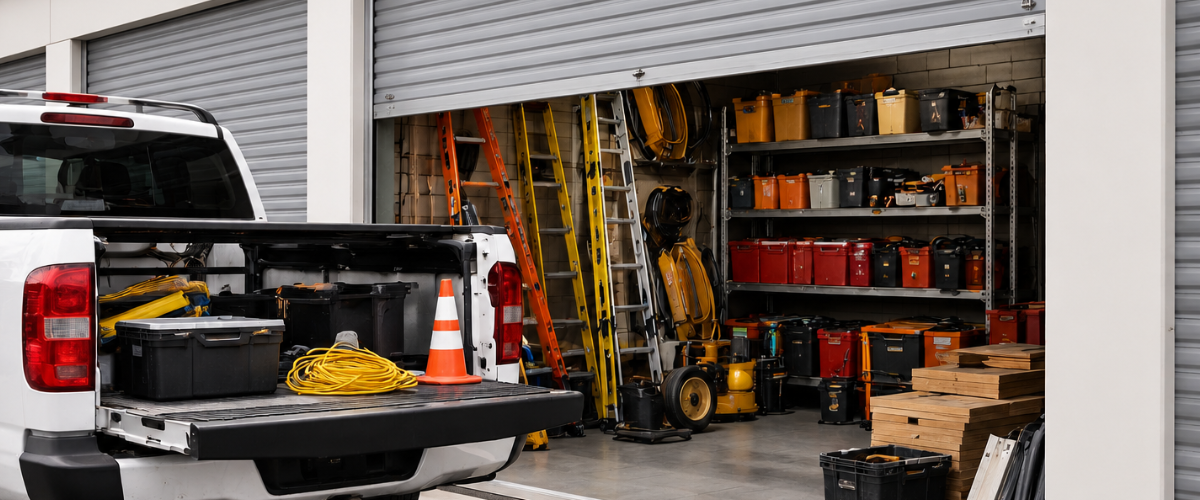
That additional height allows you to store things that won’t fit in most 10×20 or 10×30 units, including:
- pickup trucks with ladder racks
- enclosed cargo trailers
- taller equipment
- stacked shelving systems
For many renters, this is the deciding factor.
Why Many Renters Choose Too Small
A common mistake is choosing a unit based only on square footage.
People often think:
“I just need a little extra space”
But once items are inside, they realize:
- there’s no room to move
- everything is stacked too tightly
- accessing items becomes difficult
That’s why many renters who start with a 10×20 or 10×30 end up upgrading.
Big Ohio Storage
6885 Jones Rd
Nashport, OH 43830
740-303-6093
bigohiostorage.com
With
12×30 storage units, including tall door options with up to
12-foot clearance and ~16-foot interior height, the facility provides space that goes beyond what typical storage units offer.
Final Thought
- 10×20 storage works for basic, short-term storage
- 10×30 storage adds space but still has limitations
- 12×30 storage provides flexibility, access, and room to grow
If you’re storing more than just boxes — especially vehicles, trailers, or
equipment — choosing the right size upfront can make a major difference.